
Didgeridoo and Health Benefits

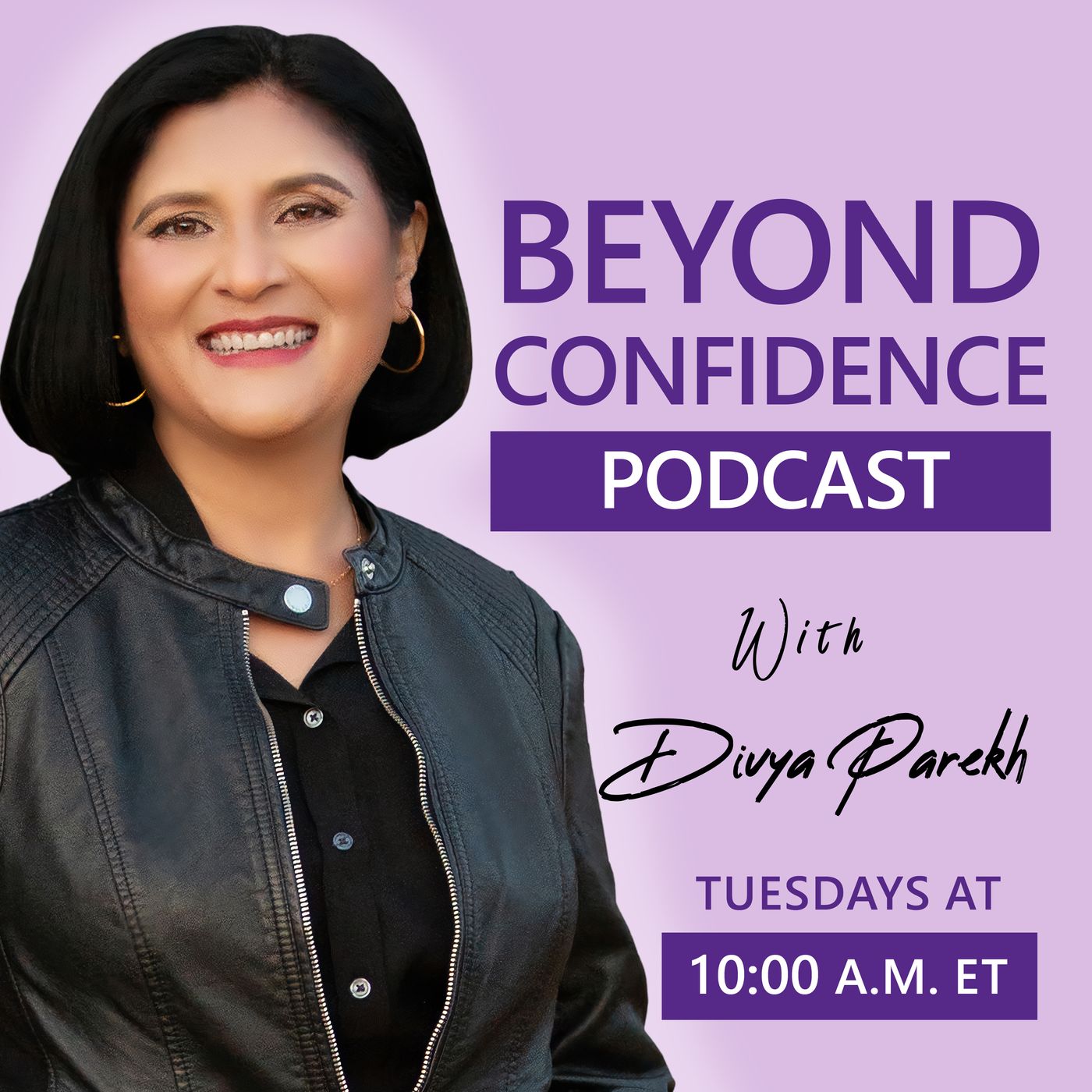
Join Divya Parekh and Pitz Quattrone to discover how the Didgeridoo saved Pitz’s life and three ways the world’s oldest instrument can lead you to a healthier lifestyle.
Click this link to learn more https://success.divyaparekh.com/unfairadvantage/...
 iHeartRadio iHeartRadio
 Spotify Spotify
 Youtube Music Youtube Music
 Amazon Music Amazon Music
 Apple Podcasts Apple Podcasts
 Pandora Pandora
 Audible Audible
 Podchaser Podchaser
 Audacy Audacy
 Spreaker Spreaker
 Deezer Deezer
 Podcast Addict Podcast Addict
 JioSaavn JioSaavn
 TuneIn TuneIn
 Castbox Castbox
 Castamatic Castamatic
 Castro Castro
 Fountain Fountain
 Goodpods Goodpods
 Overcast Overcast
 PlayerFM PlayerFM
 PocketCasts PocketCasts
 Podimo Podimo
 Podurama Podurama
 Podverse Podverse
 Podyssey Podyssey
 RSS Feed RSS Feed
 YouTube YouTube iHeartRadio iHeartRadio Spotify Spotify Youtube Music Youtube Music Amazon Music Amazon Music Apple Podcasts Apple Podcasts Pandora Pandora Audible Audible Podchaser Podchaser Audacy Audacy Spreaker Spreaker Deezer Deezer Podcast Addict Podcast Addict JioSaavn JioSaavn TuneIn TuneIn Castbox Castbox Castamatic Castamatic Castro Castro Fountain Fountain Goodpods Goodpods Overcast Overcast PlayerFM PlayerFM PocketCasts PocketCasts Podimo Podimo Podurama Podurama Podverse Podverse Podyssey Podyssey RSS Feed RSS Feed YouTube YouTube
Join Divya Parekh and Pitz Quattrone to discover how the Didgeridoo saved Pitz’s life and three ways the world’s oldest instrument can lead you to a healthier lifestyle.
Click this link to learn more https://success.divyaparekh.com/unfairadvantage/
Beyond Confidence is broadcast live Tuesdays at 10AM ET.
Beyond Confidence TV Show is viewed on Talk 4 TV (www.talk4tv.com).
Beyond Confidence Radio Show is broadcast on W4WN Radio - Women 4 Women Network (www.w4wn.com) part of Talk 4 Radio (www.talk4radio.com) on the Talk 4 Media Network (www.talk4media.com).
Beyond Confidence Podcast is also available on Talk 4 Podcasting (www.talk4podcasting.com), iHeartRadio, Amazon Music, Pandora, Spotify, Audible, and over 100 other podcast outlets.
0:00 The topics and opinions expressed on the following show are solely those of the hosts and their guests, and not those of W FOURWN Radio It's employees or affiliates. We make no recommendations or endorsement for radio show programs, services, or products mentioned on air or on our web. No liability, explicit or implied shall be extended to W FOURWN Radio It's employees or affiliates. Any questions or comments should be directed to those show hosts. Thank you for choosing W FOURWN Radio. This is Beyond Confidence with your host Dvaparnk. Do you want to live a more fulfilling life? Do you want to live your legacy and achieve your personal, professional, and financial goals? Well? Coming up on Diva Park's Beyond Confidence, you will hear real stories of leaders, entrepreneurs, and achievers who have stepped into discomfort, shanner their status quo, and are living the life they want. You will learn how relationships are the key to achieving your aspirations and financial goals. Moving your career business forward does not have to happen at the expense of your personal or family life, or vice versa.
0:59 Learn more www dot givaparnk dot com and you can connect with div you ant contact at divapark dot com. This is beyond confidence and now here's your host A Park. Good morning, It's Tuesday morning, and I'm so thrilled to be here with you because I love you guys, and without you, the show would not be possible. I want to thank each and every one of you who have supported us by getting our books. And two of my favorite books are The Entrepreneur's Garden and Expert to Influencer The Entrepreneur's Garden. Regardless wherever you are at, wherever in your life or an entrepreneur or in a corporate it will help you because it helps you build those nine relationships for example, relationship with yourself, relationship with money, relationship with results, relationship with time.
1:56 So that way, it allows you to live the life you deserve when create the impact you want. And now you may be thinking about Expert to Influencer in the background, And it's not only about building communities. It's not only about getting the likes, it's not only about getting the followers. It's about the impact. Because when you create the impact you create, you create income as a side effect. So why not have the impact first and income as a secondar effect. And when you purchase our books, not only it's going to help you. We take partial profits from the book sales and help entrepreneurs all across the globe through Kiva dot org. So it's a win win situation all around. I invite you to spend one hour of your time helping somebody with no strengths attached every month. Think about it. Even if two hundred million people did that all across the world, it's two hundred million hours.
3:06 What could we achieve in that we could create so much kindness and joys of one onto it. So we have something very special for you today and we are going to bring in a cast. Now welcome Pitts. Hi, did you good to be with you? Thanks for the invitation on the show. Oh pleasure to have you. So we start out from the childhood. So Pitts, tell us when you were a child, did you have any moments that left their mark on you and that you remember even today. That's a great question. And yes it has to do with music. I'm a musician and I visited my aunt and uncle's house and one of my uncles when I was three years old. In nineteen sixty five, one of my uncles was dancing around in his underwear playing air guitar to the Rolling Stones Satisfaction.
4:08 And I was a little kid and I still remember it. It was like wow, and he says to me, He's like, Pitts, just listen to the guitar. Listen to that guitar. I still remember that today, and I was like, wow, music is really powerful. This is my uncle who I love and respect, and he's dancing around in his underwear to the Rolling Stones and I was like, so, music is so powerful. It's like wow, I need to know more about music and maybe that's my life path. And I can definitely relate to that because music transcends everything. If you find a good beat, you may not you know, you may be sitting with people from fifty different countries, you may not no single word of their language, and yet you can connect. It brings people together, and it brings the joy. Is this something about music that can have so much benefits and impact in our lives? And I can't play anything. I cannot say that said. I do love music, and there's just so much joy and music is something that's so close and dear too, everyone's heart.
5:26 So as you grew up, what musical instruments were you interested in? Well, I first played guitar for a little while, and then I played clarinet for a little while, and they really didn't stick with me. But then my dad bought me a drum set for one of my birthdays when I was about thirteen and twelve or thirteen, and the drum set was like, Wow, this is this is what I here's my home, this is what I should be playing. So I played that for about ten years. Drum kit and also hand percussion, all kinds of different hand drums and bells and tambourines and whistles and that sort of thing, just putting the icing on the cake.
6:10 Really, So I kind of got away from the drum set and then moved on to hand percussion from all over the world, really different instruments. M So, what was it about the drums that made you stick with them in comparison to guitar and planet? Yeah, you know, I just felt a connection to it. It's like I'm always tapping my foot or tapping the table with my hand, and sometimes I drove my mom crazy at the dinner table. I was tapping away and she would just grab my hand and stop me for a few seconds so she can have some peace. But I just felt like it was a natural fit for me keeping rhythm m So, you know, there are a lot of people who may be thinking like, okay, So for example, let's say, if I want to learn a musical instrument, how can I find out like that connect that's you know, I think it's easier today because of the Internet. You can just search around and check out different instruments. I think maybe it would start with like your favorite type of music, whatever artist or type of music you like. Check out that artist and try to figure out what instruments are within that ensemble, and maybe that's your direction to a starting point. HM. That's very true.
7:31 I actually have single ongo. I'm not sure what it's called, and I have it in the house and sometimes I will go and look at YouTube's and just kind of I call it banging. You know. I haven't gotten much further on it, so, but I do like the sound of it, that deep rhythmic sound. Like, especially since you mentioned about the drums, what's a good way to bring the motivation in and get going on it? Get going on a certain instrument. Yeah, well you'll the person will know it when they feel it. That's what happened to me with the drums and the did you redo eventually? But I think it's a deep feeling inside and I'm connected to music, and it's just when you feel it, you know it, and it's like, oh, there it is. The light goes on in your head. It's like, all right, cool, So that's my direction right now, let's let's learn more about that. Ah. So you're talking about the connection. It's important to feel the connection and if you feel the connection, you'll stay with it. It's okay. So like you moved past the drums, what happened next? Well, going back to my childhood with tapping and keeping rhythm on everything, I was always making sounds,
9:05 different sounds. I love sound effects on movies and commercials and in different TV shows. So I was making lots of weird sounds with my voice in mouth. And one of my cousins he used to imitate a trumpet with his mouth like he was really good at it. So that got my attention. So I was like, all right, so where am I going with this? Like I'm not really sure. But when I first heard the Digity Do in the nineteen eighties, the early nineteen eighties. That's when that sound grabbed me like a magnet and pulled me in and I knew it right away. Mm So where did you get exposure to it? Well, there's a movie called The Coca Cola Kid that it's in Australia, and also and then a few years later the Crocodile Dundeed movies. Oh oh yeah, based in Australia, and you hear the did you do underneath all these really cool scenes, and then as like, what is that thing? I need to know more about it? And then I found out what it is, what it's called, and the Internet was not happening then, so I kind of had to do some organic research in the library and talking with friends to find out more about the instrument. So just kind of veering off the topic. How do you find the difference between when you went to library to figure out things about did
10:39 you re do learn more about it now when everything is available at fingertips, Well, it takes more time and more effort. You know, you really you got to get in the car, drive to the library or someone has to drop you off there. You got to physically search for things and research in the card catalog and then you under Australia or did you re do? If you even know how to spell that word? So it takes more time. It took more time and more effort. Then, so it took more time and more effort. M How did it make you feel once you got the information? It was great, It was really rewarding. And then I heard a really cool radio special that featured lots of different types of music with the didjury do so like? And I was so excited. I called the radio station and I asked them for the set list of those songs and the artists and every other information. And so the guy was really nice. He printed out the playlist for me and send it to me in this in snail mail. So about a week later I got this list of so all right, cool, I know all these different artists who feature did youre do?
11:56 In their music? Now I have like that was a gold mine of information for me, of course, so like, now you have this goal line of information, You have all these playlist and different names of different artists. What did you do with it? Well? Then I started looking for music by those artists and going to a record shop Hey, do you have this? Do you have that? Or maybe I could somehow find a world music catalog and possibly one of those artists is in that catalog and then purchase their music and a week or so later it will come in the mail and then I could really check out and dive into, dive into that artist music and when did you buy did you into and how did you learn it? Well, here it is my wife who we've been together for over thirty years.
12:52 She's an absolute angel, and she found a world music instrument mail or catalog. So for on Christmas of nineteen ninety three, I played the Digredo for the first time because it was a Christmas present from my wife Amy, and it came from Australia and it was a really nice little Digredo. And the really cool thing about that it came with an instructional cassette, so and that was the days of actual cassettes, So that's how long it was ago. But the guy really went into great detail in describing what he was doing, and it really really helped me get the initial sounds and then just different things you can put on top of the sounds and different techniques, traditional techniques as well as more modern day avant garde things. The disadvantage was I couldn't see what he was doing, and I couldn't ask him questions. So there was a good amount of technique questions I had that I couldn't ask him that I had to really figure out on my own. And some of those things came to me by accident, and sometimes discovering those things kind of gives you a deeper understanding. It does, and again more rewarding because I had to work to find that information and on my own. So yes, absolutely, so,
14:28 how did you become good at it? Practice? Just like any other instrument, you gotta put in, you gotta put in the time. But for me, it really I didn't view it or it didn't feel like I was working at it, although I was because I enjoyed it so much. And that's the initial drone of the digity do. I heard that and felt locked into it. It's like I want to make that sound? How do I do that? And it took a while for me to get that sound, but it's practice, practice, practice, And then after playing for three years during that time, I started making instruments, and after that three year period, I was pretty good on it, and so then I started going around to craft shows and music festivals in the craft area and making instruments that I offered to the public. So I started selling instruments for five years on the craft show circuit. And during the craft show I'm playing and playing and playing eight or ten hours a day and demonstrating, talking about the instrument, asking or answering questions that folks had. So during that five year period I got really good. So now let's say if somebody was an entrepreneur or in the corporate world, you know, leaders people, or doesn't matter for that matter, anywhere in anywhere, whatever they're like retail person or a person you
16:03 know, raising kids, It doesn't matter what they do or what they're What are the few lessons that you learn from this journey for that could apply to anyone from the Digre Do. Yeah, Well, the dig Re Do calms you down, whether you're playing it or even listening to it, So that's number one. And if you're playing, you must relax and calm down to get the proper tone. So that's one benefit or lesson that is learned. And we could all use some relaxation and a slower heart rate and a slower breath rate. Let's let's explore the lessons that you learned personally that you you know, people talk about like, oh, what are you passionate about?
16:51 You found that you were passionate about. You didn't have anybody to teach you. What kept you going? I just you know, it sounds crazy, but I love the sound of it, you know, again going back to my childhood with the different sounds that I was making, and it was also musical sounds, so I had that music connection from when I saw my uncle jumping around playing to the rolling stones. So it really it wasn't an effort at all to keep going because I loved what I was doing. M And you mentioned earlier also that it didn't feel like work and you found so basically what you're sharing is that if you know what you love to do, and then it's not work, and then you will find pathways. Like so, for example, you figured out just to learn by the person who was on the cassette without seeing them, and then just being at it and then becoming a deeper and deeper expert at it, and then also finding a way to make those so all those digrey dues that we see behind it, you have you made them. Yes, absolutely, Oh they're beautiful, thank you.
18:14 And so tell us, like, you know what different types of digrey dues there are in like what's their origin and give us the whole story behind it. Sure m well, going back to the traditional digrey dues in Australia and one let me back up even further. The word didgerido is not an Aboriginal term. That word was made up by the first Europeans who showed up in Australia and they made up a name based on its sound automatopia, didgerido, sospia, automatopia. It's the technique. It's the process of making up a word based on its sound like ba, yeah, automatopia. Oh something new alone, seeing it's that's bell. Every day you learn something newer. Yeah.
19:03 So, depending on where you are in Australia, the dig red has about thirty eight to forty different names that is accepted in the original native communities, and one term that is accepted pretty much nationwide is the word yadaki. That's y i d a ki yidaki. In some areas of Australia, yidraki means short dig redo or mosquito. Didjurdo because the dig is like any other instrument. The shorter ones are going to be higher pitched and brighter, the longer ones deeper, basier sounding. So you said about mosquito, did you do? Yeah, that comes from it comes from imitating the sounds. The dig red is a sound effects machine, is the original sound effects machine.
19:57 Traditionally around the fire nighttime, there's one person telling a story or singing a story, and then there's two or three sometimes four dancers imitating the movements of what's happening in the story. And then there's one sometimes two did red players imitating the sounds of what's happening in the story, mostly nature sounds, right soever, whatever is in the story, the didred player's job is to imitate that sound. And if there's a mosquito, the didred player makes the mosquito sound effects. So in the shorter ones are a little bit easier to make that sound or a little bit more realistic sounding for the mosquito. Oh, that is so fantastic and phenomenal because think about it, they're putting on a musical every night and it's a part of their culture and just embracing storytelling in music and passing it on to the next generation. Sit So have you ever done storytelling what dig red? Well, I have accompanied stories, and so I'm the sound effects person. And sometimes when I go to like a retreat center or a university or some type of presentation, I'll ask someone to read a traditional story and then maybe not so traditional story as long as it has all kinds of sounds in it, nature sounds or even man made sounds in
21:30 the newer stories. So the answer is yes, I have accompanied those stories. And it's really nice when someone is reading aloud and then the dig Red is underneath everything. It's just a really nice pairing of sounds, the human voice and the instrument. Oh wow, that is amazing because it so. Are there any specific areas where like you know the use like and are these culled sound stories? Well? Yeah, the oral tradition it like you said, it's passed down from generation to generation. Nothing is really written down except artwork does tell stories as well, So there's there's different ways of passing that on. Oh that's beautiful and where can let's say, you know, people will be definitely interested after listening to the show. If people were interested in getting digity dues and learning. How can they go about it? Well, on my website there's tons of information, so I have some handcrafted instruments that I've made. And also if you're looking for an Aboriginal Australia made instrument, I have a link there to a resource in Australia. So yeah, on my website it's my name dot com. It's Pitts Quatrone p I easy qua
23:02 t t R O n E Pitts Quatron dot com. Or you can just search by Vermont didgerido or Pitts dig dig d I dge, so you'll probably find that I'm like the first one hundred things that pop up if you plug in just Vermont Didge, so you can find me, Okay, fantastic and so they can find you for sure. And then I'm assuming you also teach people how to play. Yeah, I've been teaching folks how to play since the mid nineteen nineties and a lot of my stuff now is on video chat and I was I've been teaching online for ten or twelve years, long before COVID. But it's great because now the audio is much better, the cameras are much better, So I have students all over the world and I teach one on one or group setting in person or video chat. Oh that's fantastic, definitely, So Pits, let's maybe demonstrate something. So how about if I come up with some story and with a nature sound, and can you play along with that? Because that's something when somebody learns they can do with their families. What do you think of that? Yes, you mean right now, right now? Okay, I'd love to do that. With the audio, it may not totally be in sync, but I have some certain
24:33 settings that I've locked in and it should be very good, okay, and you have to lead me through it where I stop and where the sound comes in. I'm just going to make up the story as we go along because I'm a storyteller. Storyteller and I love that. Okay. Are you ready? Yeah? I'm ready, So to go? First, do you want to start? Why don't you start? Set the stage and then I can begin the story. I like it. Here we go. That was beautiful, okay. So Mama and Papa Sparrow are sitting around a fire and they've got like a little little, tiny little babies, and let's say they use their beaks like a jackhammer. I don't want. And now what happens is that when they're opening up the shells, they pack upon the shell and eat
26:08 the contents. And now sometimes they may be choosing to sit on a gutter, and then the noise becomes very similar to as if somebody's knocking on your front door. Thank you for playing along. I really appreciate that, Okay, and that cool. Yeah, So folks, you know those little Mamma and Papa sparrows, mister and missus Smith. We are going to go and you can have stories, especially with families and especially if you're out, and especially for family reunions. I can see so many different possibilities because I'm such a storyteller. Let's say, if you're on the beach and you just kind of embroy in, or even if you're getting together with a group of friends, this can be such a wonderful thing to bring the whole social connections to life, or that social gathering to life. So we have talked about it, and you know, like people can play with it. So tell us how does it help with help in comparison to any other instruments. Ah, okay, well, I've touched on it real quickly in order to play properly in the beginning, you must relax, So that's number one. And there was a really interesting study that came out about fifteen years ago published by the
27:38 British Medical Journal. They studied a doctor in Switzerland who found out that playing the dig red it's a physical instrument, So playing the digred really works the lower throat muscles and as well as this technique called circular breathing, which allows the didre due player to play continuously because that person breathes while they play, so using that circular breathing technique and I can describe that in a minute. All those things really work the internal muscles in your throat that are usually the problem with sleep apnea, obstructive sleep apnea. So just yeah, it's a really groundbreaking stuff. So the doctor had twenty five patients who had sleep apnea, and he brought in a didre dude teacher and that teacher taught the folks how to play, and they played six days a week for about a half an hour a day for a three month period. So meanwhile, those muscles are getting a serious workout. At the end of that time period, there sleep apnea episodes either totally disappeared or drastically reduced, because those muscles are now back in shape and they're nice and straight and strong. They're not flabby and loose and blocking the airway. So this study, this study was published,
29:12 and a lot of people it's a really nice alternative to the seapap machine or other treatments for sleep apnea. So a lot of people come to me and say, Pitts, I just can't stand that seapap thing. I don't want to get jaw surgery or all these other alignment things. Teach me how to play digred to help with my sleep apnea. Oh, that is so fantastic because you know, without sleep, Oh, and the day can be so tough. So that's phenomenal. So tell us about circular breathing. Okay, circular breathing. So and to get the initial sound on the did red, I'm flapping my lips nice and loose and wide open, not tighten pressured like a trumpet player, very loose, kind of like what a tuba player does.
30:11 So is that what is that how you played? Did you do? That's how you get started? Yeah, that's step one is you flap your lips and it resonates down the digredo and it eventually creates that initial drone, so that drone is your foundation of sound. So I'm playing along. Eventually, I'm gonna need air for my lungs, right, And if you remember, like when we were children, we used to do that song. Yes, that's a great point because when I go to schools and teach kids how to play, almost every kid is a natural did red player. That's what I found. And it's so cool because you know, I guess as people get older and older, they stop doing that, or the adults kind of like, oh I can't do that, I'll look silly, right, And usually it used to happen when some kid did not like some of the kid and what they're saying, and they would just go and go yeah yeah right, or it's the raspberry thing, or it's the raspberry thing, yeah yeah.
31:17 So that's how you get started on the ditch. So I'm playing. Eventually, I'm going to need air to breathe. So what I do is on its way out, I catch some air in my cheeks, and with my cheek muscles alone, I squeeze in one mouthful at a time, so that's forcing the air out of my mouth. So I'm not actually breathing out. I'm just emptying my mouth chamber with the cheeks, and that little puff keeps my lips flapping for just a second or so. That's my opportunity to breathe up my nose for my lungs. And I'll do it two or three, maybe four times in a row while I'm playing, because it's just a little bit of air. So here it is, I'm playing right, gets some air in my cheeks and with my cheek muscles alone, force it out and breathe up my nose at the same time, so that that motion that that's the circle. That's where the name comes from, I see. And it's if you kind of like break it apart like from did you Do playing?
32:30 It's such a good way of breathing where you're pulling in more air and you're building your muscles. Oh that's amazing. Absolutely, any amount I'm totally convinced any amount of did you Do Playing is beneficial health wise. But once you start doing the circular breathing, it gets it catapults. The benefits like expand amplify to great amounts, and that's what really really helps with getting those muscles internal workout. It's like a push ups for those muscles. It gets them back into shape, so they're no longer obstructing the airway. Oh I see. So because they're not in shape, they obstruct the air wind.
33:15 That's why people have sleep at near Yes, that's what that's what this has all been described to me from medical professionals. I'm I'm I'm a musician. I'm not a doctor or a healthcare professional. And but I've seen it in all my students. Even if one thing I start with right away day one with my students, someone comes to me a new student, it's like, okay, um, flap your lips like that, and that's so much fun. You get to do it. It is a fun it's a fun thing. And what I do ask the folks is like, okay, do that, and then time yourself and see how long that lasts. And there's no right or wrong answer. Whether it's eight seconds, fifteen seconds, doesn't matter.
34:00 But write that down like Okay, day one, I went for fifteen seconds. And then I asked, and I asked folks to play every day in practice fifteen twenty thirty minutes and at the end of the first week do that same exercise of timing your breath every time that breath is longer. So practice the benefits start happening right away. And this person is not even circular breathing yet, so they're getting getting warmed up, building up capacity, opening up the airways. And that's only a good thing. Yeah, and here's the beauty of it that you're enjoying there it is again yep. Well, your family members maybe like, okay, what is that song you're making?
34:51 Our noise? You know? Yeah, So, but the better you get at the instrument, the better and better the tone and and your technique gets. So hopefully your family members won't mind too much after of course not of course, a few days or a couple of weeks. It can be such a great exercise where you're learning it with your child. Yes, absolutely that I love that idea. That's a really good thing. And so the parents doing it, then the children imitates that technique and that sound, and it's fun for them and it's also healthy for both people. It's it's a great way to bond with anyone for that matter. And so you mentioned about like, you know, you gave us the example of one sound like how it comes out like so do different did you redues make different sounds? Different tones?
35:44 Again, you know it's a musical instrument. The long ones are bassy, short ones are higher. So would you be open to sharing the test? How does a short one sound? Yeah? Well the one I played was rather short, but I can play this other one here. This one is really long. It probably won't fit the whole thing in the camera, but I'll play here. Wow, So it's it has That's just amazing. So what is the signs behind about the sound? Like? Is it like a tunnel? That would love to learn about that. Yeah, Structurally the instrument is a tunnel. It's a long, hollowed out tree branch. And how these are made traditionally for thousands of years and a lot of people agree.
36:46 A lot of music experts agree the didgerido is the world's oldest musical instrument. No one really knows how old, between fifteen hundred perhaps up to forty thousand years. So how the traditional instruments are made is there's termites that eat out the center of a tree limb. Interesting, so when the instrument maker needs to make an instrument, they'll go around and look for a termite mound and different types of eucalyptus trees are around. So if there's a termite mounds and a tree of eucalyptus tree close by, chances are those termites have done their work. So what they termites go underground and they eat their way up the trunk and out the branches of the tree, and the ditch maker will go around and knock on that branch. You'll look for the termite and the tree nearby, and then start knocking on different branches to hear how hollow it is. And through experience that person will know like, Okay, this one's ready to go, this one's needs some more time, or this one might be too far gone. So if it's ready to go, then that the ditch maker will cut that branch down and take it back home and sometimes peel the bark off let its season and then decorate it, or sometimes the bark is left on it for a nice natural look. And is that how you get your vote as well? No, I don't. I don't want to
38:17 attract any termites to my house. Yeah, that's what I was kind of thinking that. Yeah, it's one thing to kind of get it, but the termites insided, how does that work? Yeah, so what I do. I found this really interesting tree. It's called Polonia, or princess tree is a nickname for it. It's a soft wood. It's an invasive species from Asia, but it grows all over the world now and the really many different aspects that's really helpful for me is the first two to three years of its life, it grows mostly hollow. So yeah, so there's a little pithy area where the branches come out intersection, but in between those branches is it's rather it's a hollow tunnel. So I've learned. I have a really long drill bit and what I've learned how to go in one end very carefully so it doesn't blow out the side and let that tunnel guide me. And then I'll flip the instrument around and an approach it from the other direction to complete that tunnel. Wow, that's interesting. And when you find your princess trees, well in the I live in Vermont and they do grow here, although they really it's a little bit cold for him. So, but in the United States, all around southern New England and throughout the mid Atlantic, especially down in like New York, Philadelphia, Baltimore, DC, and even further south, it grows to a full blown tree. So I have different
39:52 places that folks let me harvest. In Vermont, it grows in one year, it grows to full height and and the stock dies. The root ball stays alive, and next year it shoots out a new set of branches. Oh what a fascinating story about that. So thank you for coming on our show and sharing. You're welcome. Thanks. If you were to give the last top two to three tips to our listeners, what might that be. Well, another thing I'd like to do is I'm a musician, so I create music. I put the dijury do in a lot of different musical settings, including my own, like rock, funk, really fun stuff. But this instrument has taken me around the world collaborating with different musicians. So I really believe that the digur do is very versatile instrument musically, so I put it in all kinds of different settings. I'm not an Aboriginal from Australia, and I don't pretend to be. I grew up in the suburbs of Philadelphia, so that's my musical background. So I played this really old instrument in my music to go background and also with backgrounds from all over the world.
41:05 Well, that's awesome because what you're doing is you're pulling everything together and that's what needs to happen, and that's what brings us together as people. Then we embrace and adopt and adapt to different cultures and make it mainstream. So that's beautiful. Yeah, thank you, and make it accessible. And like you said earlier, music transcends all boundaries. And even if I can't speak to a person in West Africa their language, they can't speak mine, and they're a fabulous musician, we get together and we can communicate with music and we look over and smile at each other and yeah, this is working.
41:45 So it's the great communicator in this instrument. I owe a lot to it. It's really opened up a whole world for me and in turn life missions and a successful rewarding career. Well, it's thank you so much for playing for us and playing along for the story. Yet now where can again find you? If you can share with Tassi your website, your link and how like you teach them just full details. Yeah, well, if you want to hear music, just ask your smart speaker to play Pitts Squadrone and I'm on every musical platform that there is. And if you want to find me on line, check out my website with all those different options you just described.
42:31 It's pitts quatrone dot com. Again, it's p I t Z qu A T t R O n E pitts quatron dot com. Or just search for Pitts p I t Z dig d I d g E. Oh fantastic. Thank you so much for coming and doing what you're doing because, as you mentioned, you know, sleep is such an important part and this is a natural way to get rid of it, and so thank you again. You're welcome, Divia. Thank you for inviting me on the show. It's been my pleasure. Absolutely, it's been a joy speaking to you and listeners.
43:17 Thank you for joining us, because without you, the show would not be possible. You are the soul of the show, so reach out to us, let us know how can we support you and how can we hope you live the life you deserve with joy, wealth, health and happiness. And thank you one for making the show possible. So folks be well and take care until next time. Thank you for being part of Beyond Confidence with your host, Divia Park, we hope you've learned more about how to start living the life you want. Each week on Beyond Confidence, you hear stories of real people who've experienced growth by overcoming their fears and building me four relationships.
44:00 During Beyond Confidence, Diva Park shares what happened to her when she stepped out of her comfort zone to work directly with people across the globe. She not only coaches people how to form heart connections, but also transform relationships to mutually beneficial partnerships as they strive to live the life they want. If you are ready to live the life you want and leverage your strengths, learn more at www dot dvapark dot com and you can connect with Diva at contact at dvapark dot com. We look forward to you joining us next week.


